32 Weeks Pregnant Symptoms Not To Ignore Monitor Now

- 1.
What Should I Be Feeling at 32 Weeks Pregnant? Understanding the Norms and Nuances
- 2.
Spotting the Red Flags: When Third Trimester Symptoms Cross the Line
- 3.
How Do I Know If My Baby Is Okay at 32 Weeks? Decoding Movement and More
- 4.
What to Avoid Doing at 32 Weeks Pregnant: Steering Clear of Risky Business
- 5.
The Physical Toll: Common Yet Concerning Signs at 32 Weeks
- 6.
Emotional Landscapes: When Anxiety Isn’t Just “Hormones”
- 7.
Nutrition and Hydration: Fueling the Final Lap Without Compromise
- 8.
When to Call Your Midwife: A Practical Cheat Sheet
- 9.
Preparing for Birth While Protecting Your Peace
- 10.
Resources, Support, and Knowing You’re Not Alone
Table of Contents
32 weeks pregnant symptoms not to ignore
What Should I Be Feeling at 32 Weeks Pregnant? Understanding the Norms and Nuances
Ever woken up wondering if your bump’s doing a tap dance on your bladder or if that flutter is just your baby practising their Olympic backflip? At 32 weeks pregnant, you’re deep in the third trimester trenches—where every twinge, kick, and sigh feels like it carries cosmic significance. And honestly, love, you *should* be feeling a whole lot: Braxton Hicks contractions tightening like a corset you never asked for, breathlessness that makes climbing stairs feel like scaling Ben Nevis, and that glorious waddle that’s equal parts grace and gallows humour. But here’s the rub: while discomfort is par for the course, certain 32 weeks pregnant symptoms not to ignore might signal something more urgent. We’re talking reduced fetal movement, persistent headaches that won’t budge with paracetamol, or swelling that makes your rings look like tiny prison bars. If your body’s sending Morse code and it reads “SOS,” don’t chalk it up to “just pregnancy.” Your intuition’s worth more than any well-meaning auntie’s advice.
Spotting the Red Flags: When Third Trimester Symptoms Cross the Line
Right, let’s cut through the fluff. The third trimester’s meant to be about nesting, naps, and counting down to meet your mini-me—but it’s also when things can go pear-shaped faster than a soggy biscuit. Classic 32 weeks pregnant symptoms not to ignore include vaginal bleeding (even spotting), severe abdominal pain that doesn’t ease with rest, or sudden swelling in your face and hands. These aren’t just “bits of bother”—they could point to pre-eclampsia, placental abruption, or other complications needing immediate attention. One NHS midwife we spoke to put it bluntly: “If it feels wrong, it probably is. Don’t wait till your next appointment.” Trust your gut. Better to be the “overcautious mum” than risk missing a warning sign. After all, you’re not just carrying a baby—you’re piloting a tiny human spaceship through the final stretch of launch prep.
How Do I Know If My Baby Is Okay at 32 Weeks? Decoding Movement and More
“Is my baby alright in there?”—a question that echoes through every expectant parent’s mind like a ghost in the nursery. At 32 weeks, your little one’s movements should be strong, regular, and reassuringly predictable. You might notice patterns: kicking after your morning cuppa, squirming during telly time, or going quiet when you’re stressed (bless ‘em). But if you’re tracking fewer than ten movements in two hours during a quiet time—or if the usual kicks feel weaker or absent—that’s a 32 weeks pregnant symptoms not to ignore moment. Lie on your left side, drink something cold, and focus. Still nothing? Ring your maternity unit. No shame in it. As one Bristol-based doula told us, “Babies don’t just ‘sleep through’ reduced movement. Ever.” Monitoring your baby’s activity isn’t paranoia—it’s parenting, already in motion.
What to Avoid Doing at 32 Weeks Pregnant: Steering Clear of Risky Business
By now, you’ve probably mastered the art of saying “no” to unpasteurised cheese and dodgy-looking prawns. But at 32 weeks, the list of don’ts gets a bit more nuanced. Avoid long-haul flights without medical clearance (DVT risk spikes), heavy lifting (your ligaments are looser than a pub piano tune), and ignoring signs of preterm labour like regular, painful contractions before 37 weeks. Also, skip the “I’ll just Google it” approach when you’re unsure about a symptom. That niggling backache? Could be normal. Or it could be early labour. Don’t gamble. And for heaven’s sake, don’t skip your antenatal appointments—those blood pressure checks and urine tests catch issues before they snowball. Remember: avoiding these pitfalls isn’t about fear; it’s about giving your 32 weeks pregnant symptoms not to ignore the respect they deserve.
The Physical Toll: Common Yet Concerning Signs at 32 Weeks
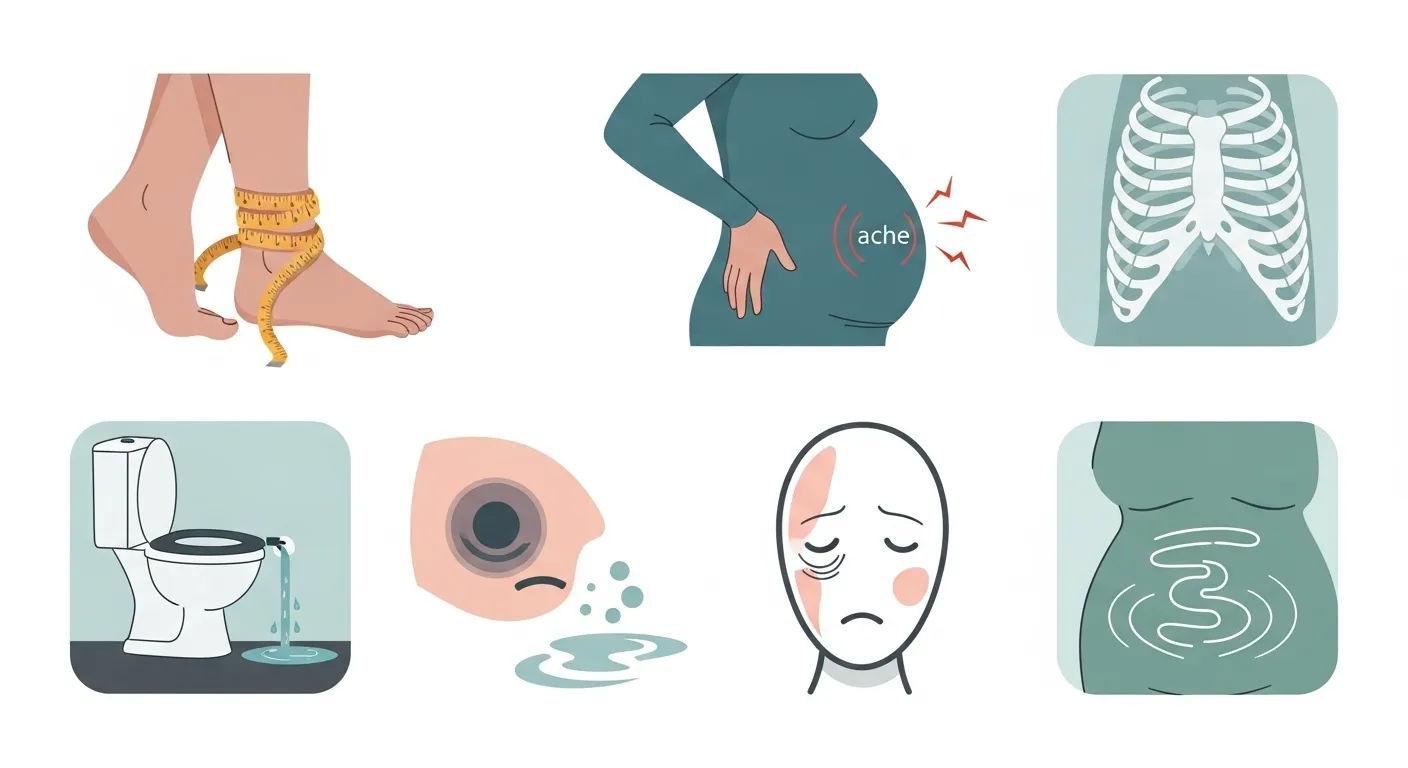
Let’s be real—pregnancy at 32 weeks feels like your body’s been requisitioned by a very enthusiastic tenant who redecorates without asking. Heartburn? Check. Swollen ankles? Double check. But here’s where it gets tricky: some “normal” aches blur into danger zones. For instance, mild swelling is common, but if it’s sudden, asymmetrical, or paired with a headache and blurred vision, that’s textbook pre-eclampsia—a condition affecting roughly 5-8% of UK pregnancies. Similarly, pelvic girdle pain (PGP) might make walking feel like you’re auditioning for a zombie film, but sharp, stabbing pain in the lower abdomen could signal something else entirely. Keep a symptom diary. Note changes in frequency, intensity, and what eases (or worsens) them. This isn’t just helpful for you—it gives your midwife concrete clues when you report 32 weeks pregnant symptoms not to ignore.
Emotional Landscapes: When Anxiety Isn’t Just “Hormones”
You’ve heard the jokes: “She’s just hormonal!” But at 32 weeks, emotional turbulence can be more than mood swings—it can be your psyche waving a red flag. Persistent anxiety, tearfulness that doesn’t lift, or obsessive worries about the baby’s health might signal perinatal anxiety or depression, which affects around 1 in 5 UK mums-to-be. Dismissing these as “just part of pregnancy” risks overlooking a genuine need for support. If you’re lying awake at 3 a.m. convinced something’s wrong—even when scans say all’s well—that’s worth mentioning. Mental health is physical health, especially when tracking 32 weeks pregnant symptoms not to ignore. Your midwife won’t judge; they’ll listen. And if they don’t, find one who will. You’re not “being dramatic”—you’re being human.
Nutrition and Hydration: Fueling the Final Lap Without Compromise
Craving pickled onions dipped in custard? Fair enough—we’ve all been there. But at 32 weeks, your nutritional needs are sky-high, and dehydration can mimic or worsen serious symptoms. Not drinking enough? You might mistake dizziness or contractions for something sinister. Aim for 8–10 glasses of water daily, plus iron-rich foods (hello, lentils and lean beef) to combat anaemia, and calcium for those growing bones. Watch your salt intake too—excess sodium worsens swelling, making it harder to spot abnormal oedema. And while we’re at it, skip the “eating for two” myth. You only need about 200 extra calories now—roughly a banana and a handful of almonds. Staying nourished isn’t vanity; it’s vigilance against 32 weeks pregnant symptoms not to ignore that stem from simple deficiencies.
When to Call Your Midwife: A Practical Cheat Sheet
Don’t wait for a crisis to figure out your action plan. Here’s a quick-reference guide for when to pick up the phone:
- Reduced fetal movement – fewer than 10 kicks in 2 hours
- Vaginal bleeding or watery discharge – could mean waters breaking early
- Severe, persistent headache – especially with visual disturbances
- Sudden swelling in face, hands, or feet
- Regular, painful contractions before 37 weeks
If any of these ring true, don’t text your mate for reassurance—call your maternity unit directly. Time matters. These aren’t just “symptoms”; they’re your body’s way of shouting, “Oi! Pay attention!” And yes, even if it turns out to be false alarm, you’ve done right by your baby. That’s the essence of monitoring 32 weeks pregnant symptoms not to ignore: better safe than sorry, every single time.
Preparing for Birth While Protecting Your Peace
It’s tempting to drown in birth plans, nappy brands, and Instagram-perfect nurseries. But at 32 weeks, your priority isn’t perfection—it’s presence. Rest when you can. Delegate chores. Say no to baby showers that drain you. Why? Because exhaustion masks symptoms. If you’re running on fumes, you might miss subtle shifts in your baby’s movement or dismiss a headache as “just tiredness.” Protect your energy like it’s gold—because it is. And remember: preparing for birth includes knowing your local hospital’s triage number, packing your hospital bag, and discussing red flags with your partner. Awareness isn’t anxiety; it’s armour. And that armour starts with recognising 32 weeks pregnant symptoms not to ignore before they escalate.
Resources, Support, and Knowing You’re Not Alone
Feeling overwhelmed? You’re in good company. Every year, thousands of UK parents navigate this exact stage—some smoothly, some stormily, all bravely. Start by bookmarking trusted sources like the NHS Pregnancy pages and Tommy’s charity. Join local antenatal groups (many run by NCT or Sure Start centres) where you can swap stories without judgment. And if you’re second-guessing a symptom, revisit our guides on Amana Parenting, explore deeper insights in our Pregnancy category, or read real experiences in 3 Months Pregnant Negative Pregnancy Test False Results. Knowledge dispels fear. And you? You’ve got this. Even on days when your bump feels like a bowling ball and your feet resemble Hobnobs, you’re doing brilliantly. Just keep listening—to your body, your baby, and that quiet voice inside that knows when something’s off about those 32 weeks pregnant symptoms not to ignore.
Frequently Asked Questions
What should I be feeling at 32 weeks pregnant?
At 32 weeks pregnant, you’ll likely feel frequent baby movements, Braxton Hicks contractions, shortness of breath, and increased fatigue. However, always monitor for 32 weeks pregnant symptoms not to ignore such as severe headaches, vision changes, or sudden swelling—these could indicate pre-eclampsia and require immediate medical attention.
What should I avoid doing at 32 weeks pregnant?
Avoid heavy lifting, prolonged standing, hot tubs, and ignoring signs of preterm labour. Crucially, don’t dismiss unusual symptoms like reduced fetal movement or vaginal bleeding—these are key 32 weeks pregnant symptoms not to ignore that warrant prompt contact with your maternity team.
What are red flags in the third trimester?
Red flags include vaginal bleeding, severe abdominal pain, sudden swelling in the face or hands, persistent headaches with visual disturbances, and significantly reduced fetal movement. These are critical 32 weeks pregnant symptoms not to ignore as they may signal complications like placental abruption or pre-eclampsia.
How do I know if my baby is okay at 32 weeks?
Your baby should move regularly—at least 10 times in two hours during a quiet period. If movements slow, stop, or feel weaker, contact your midwife immediately. Trust your instincts; changes in movement are among the most vital 32 weeks pregnant symptoms not to ignore for ensuring your baby’s wellbeing.
References
- https://www.nhs.uk/conditions/pregnancy-and-baby/week-32-pregnant
- https://www.tommys.org/pregnancy-information/stages-of-pregnancy/third-trimester/32-weeks-pregnant
- https://www.rcog.org.uk/guidance/browse-all-guidance/green-top-guidelines/hypertension-in-pregnancy-diagnosis-and-management
- https://www.nice.org.uk/guidance/cg107