One Month Pregnant Belly Subtle Bump
- 1.
How Should Your Stomach Feel at 1 Month Pregnant: The Subtle Shifts
- 2.
Can Pregnancy Belly Show at 1 Month: Managing Expectations
- 3.
Is Your Belly Hard or Soft at 1 Month Pregnant: The Texture Talk
- 4.
What Do You Feel If You're 1 Month Pregnant: Beyond the Belly
- 5.
Physical Changes You Might Notice: The Early Signs
- 6.
When to Take a Pregnancy Test: Timing Is Everything
- 7.
What to Do Now That You're Pregnant: First Steps
- 8.
Common Concerns and When to Worry: Trust Your Gut
- 9.
Navigating the First Trimester: What to Expect Next
Table of Contents
one month pregnant belly
How Should Your Stomach Feel at 1 Month Pregnant: The Subtle Shifts
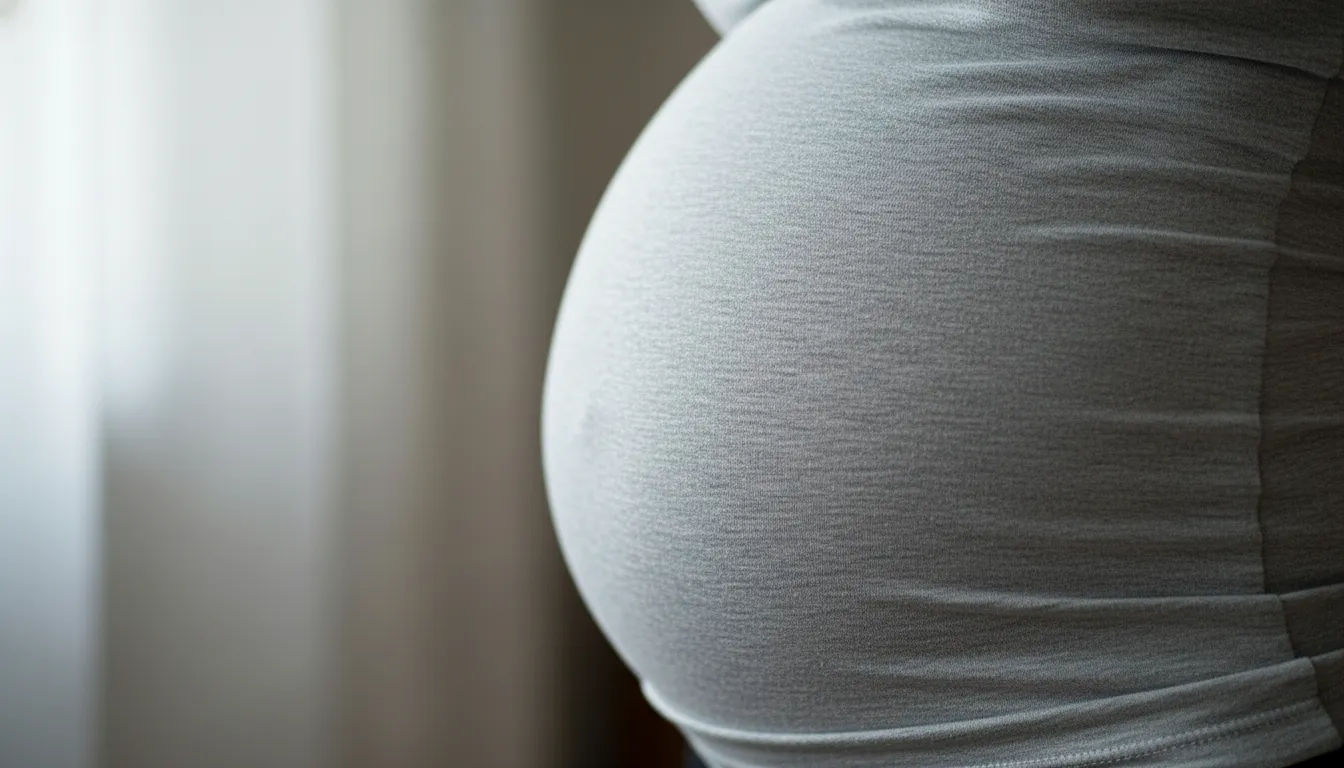
Right then, let's get down to brass tacks—what's actually happening in there with your one month pregnant belly? First things first, you probably won't see much of a bump yet (more on that in a tick), but you might start noticing some subtle changes that make you go "hmm, something's a bit different here." Many women report feeling a slight fullness or bloating in their lower abdomen, almost like they're about to start their period but it never quite arrives. This is your uterus beginning to expand and all those pregnancy hormones—particularly progesterone—slowing down your digestion like a lazy Sunday afternoon. You might also experience mild cramping or twinges as your uterus muscles stretch and your ligaments loosen up in preparation for the main event. It's not usually painful, more like a gentle reminder that your body's about to embark on the most bonkers journey of your life. And if you're feeling a bit gassy or constipated? Welcome to the club, mate—progesterone relaxes smooth muscles everywhere, including your digestive tract, so things tend to move at the pace of a snail on sedatives.
Can Pregnancy Belly Show at 1 Month: Managing Expectations
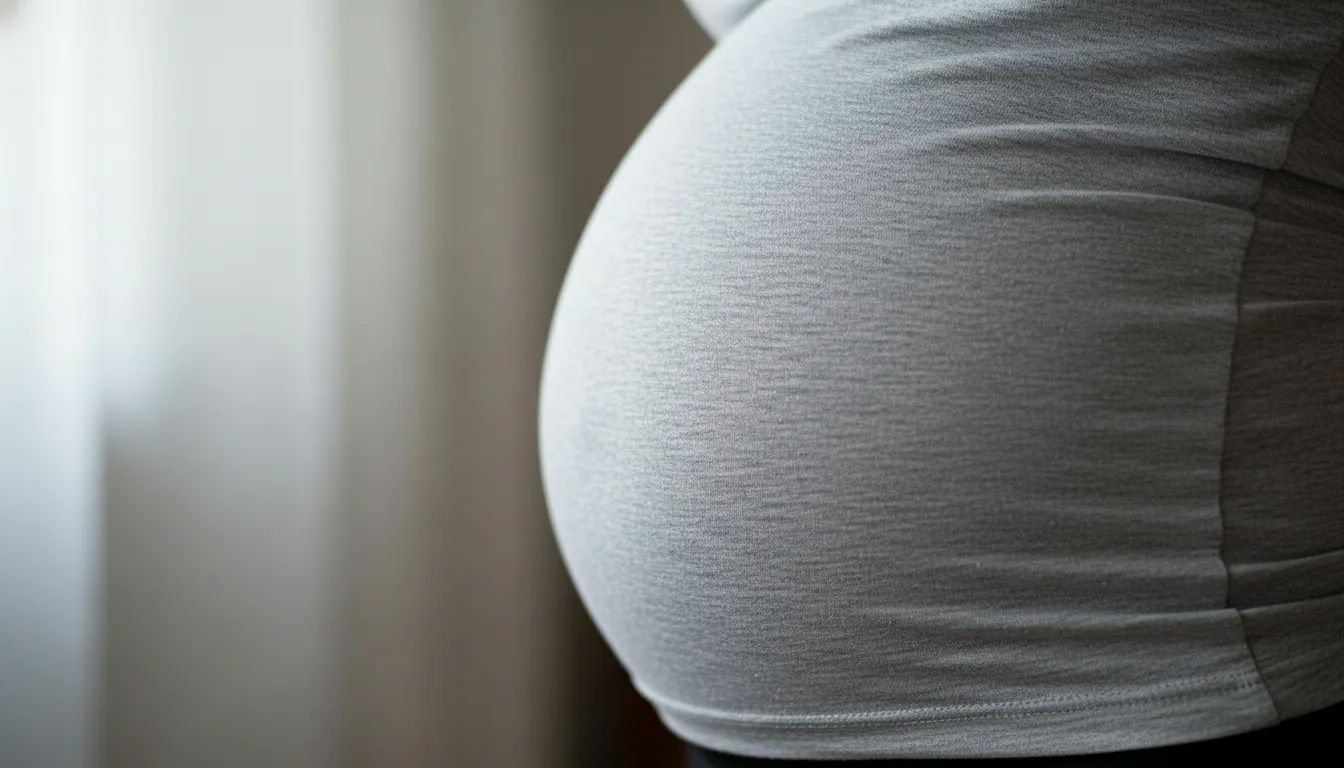
Here's the straight-up truth that might save you from faffing about with tape measures and bathroom scales: for the vast majority of women, your one month pregnant belly won't be showing any visible bump whatsoever. At four weeks gestation, your embryo is roughly the size of a poppy seed, and your uterus is still tucked away behind your pubic bone like it's playing a proper game of hide-and-seek. However—and this is a big however—there are always exceptions to every rule. If you've got a naturally petite frame, have been pregnant before (your abdominal muscles might be a bit more relaxed from previous adventures), or if you're carrying multiples, you might notice some subtle changes earlier than others. But even then, we're talking about the difference between "I feel a bit bloated" and "I need to buy new trousers" being about as wide as the gap between your pre-pregnancy jeans and your current reality. Most women don't start showing until around 12-16 weeks, so if your mate's already waddling about at five weeks claiming she's "showing," she's either had a few too many gins or she's got a very creative imagination (or possibly both).
Is Your Belly Hard or Soft at 1 Month Pregnant: The Texture Talk
This is a proper corker of a question that has many first-time mums-to-be faffing about, prodding their tummies like they're testing a ripe melon at the market. At one month pregnant, your one month pregnant belly should still feel relatively soft and normal—there's simply not enough going on internally yet to create any significant hardness or firmness in your abdominal area. Your uterus is still small enough that it hasn't risen out of the pelvis, so you won't feel that characteristic pregnancy firmness that develops later on. If you are noticing unusual hardness, persistent pain, or anything that feels distinctly wrong, it's probably not related to pregnancy at this stage and might be worth mentioning to your GP just to be on the safe side. Remember, every woman's body is different, and what feels normal for one person might feel completely alien to another. The key is listening to your body and not comparing yourself to every other pregnant woman you see on Instagram—those bump photos are usually taken at 20+ weeks, not four!
What Do You Feel If You're 1 Month Pregnant: Beyond the Belly
While everyone's obsessed with the one month pregnant belly (or lack thereof), the real action at this stage is happening internally with a whole host of hormonal changes that can leave you feeling like you've been hit by a bus driven by a hormonal teenager. Fatigue is often the first and most noticeable symptom—many women report feeling absolutely knackered, like they've run a marathon in their sleep. Breast tenderness is another common early sign, with your chest feeling sore, swollen, and sensitive to the touch (good luck finding a comfortable sleeping position). Nausea might start creeping in, though full-blown morning sickness usually kicks in around week six. You might also notice increased urination as your growing uterus puts pressure on your bladder, mood swings that could rival a British summer (sunny one minute, torrential downpour the next), and food aversions or cravings that have you eyeing pickles and ice cream combinations like they're the next big thing. Some women experience light spotting or implantation bleeding around the time their period would normally start, which can be confusing if you're not sure whether you're pregnant or not. The bottom line? Your body is basically throwing a massive hormonal party, and you're just along for the ride.
Physical Changes You Might Notice: The Early Signs
Even though your one month pregnant belly isn't exactly demanding attention yet, your body is already hard at work preparing for the monumental task ahead. Here's a handy breakdown of what you might experience during this early stage:
| Symptom | When It Starts | What It Feels Like | How Common |
|---|---|---|---|
| Fatigue | Week 4-5 | Proper exhausted, like you've not slept in a week | 80% of women |
| Breast tenderness | Week 4-6 | Sore, swollen, sensitive to touch | 70% of women |
| Nausea | Week 5-6 | Queasy feeling, sometimes with vomiting | 50-80% of women |
| Frequent urination | Week 4-6 | Needing the loo every hour on the hour | 60% of women |
| Mood swings | Week 4-8 | Emotional rollercoaster, crying at adverts | 75% of women |
When to Take a Pregnancy Test: Timing Is Everything
If you're sitting there wondering whether your one month pregnant belly is actually housing a tiny human or you've just been overdoing it on the biscuits, the only way to know for sure is to take a pregnancy test. The best time to test is after you've missed your period, which typically occurs around week four of pregnancy (counting from the first day of your last menstrual period). Home pregnancy tests detect the hormone hCG (human chorionic gonadotropin) in your urine, and levels are usually high enough to detect by the time you miss your period. Some early detection tests claim to work up to five days before your expected period, but they're less reliable and might give you a false negative if you test too early. If you get a negative result but still haven't got your period a week later, test again—sometimes it just takes a bit longer for hCG levels to rise high enough to detect. And if you're still unsure or experiencing unusual symptoms, pop along to your GP for a blood test, which can detect pregnancy earlier and more accurately than urine tests. Remember, the earlier you know you're pregnant, the sooner you can start taking proper care of yourself and your growing bump.
What to Do Now That You're Pregnant: First Steps
So you've done the test, seen the two lines, and now you're proper gobsmacked that your one month pregnant belly is actually containing a tiny human being. First things first—take a deep breath and try not to panic. The next few steps are straightforward but important for ensuring you and your baby get off to the best possible start. Book an appointment with your GP or midwife to confirm the pregnancy and get your antenatal care started. Start taking a prenatal vitamin containing folic acid (400mcg daily) if you haven't already—this is crucial for preventing neural tube defects in the developing baby. Review any medications you're currently taking with your doctor, as some might not be safe during pregnancy. Make lifestyle adjustments like cutting out alcohol completely, reducing caffeine intake to less than 200mg per day (about two cups of coffee), and avoiding certain foods like soft cheeses, raw eggs, and undercooked meat. And finally, start thinking about your birth preferences and what kind of support you'll need during pregnancy and after the baby arrives. It might seem early to be planning all this, but trust us—time flies when you're growing a human, and before you know it, you'll be waddling around like a penguin wondering where the last eight months went.
Common Concerns and When to Worry: Trust Your Gut
It's completely normal to have concerns about your one month pregnant belly and whether everything's progressing as it should. Mild cramping, light spotting, and general discomfort are usually nothing to worry about at this early stage. However, there are certain symptoms that warrant immediate medical attention. Heavy bleeding (soaking through a pad in an hour), severe abdominal pain, dizziness or fainting, fever over 38°C, or persistent vomiting that prevents you from keeping any fluids down are all red flags that need urgent evaluation. Ectopic pregnancy, while rare (occurring in about 1-2% of pregnancies), is a serious condition where the embryo implants outside the uterus, usually in a fallopian tube. Symptoms include sharp, one-sided abdominal pain, shoulder tip pain, and vaginal bleeding. If you experience any of these symptoms, seek emergency medical care immediately. The same goes for signs of miscarriage, which unfortunately occurs in about 10-20% of known pregnancies, usually within the first 12 weeks. While most early pregnancy losses can't be prevented, getting prompt medical care can help manage complications and provide emotional support during a difficult time.
Navigating the First Trimester: What to Expect Next
As you move beyond that initial one month pregnant belly phase and into the rest of your first trimester, things are going to start changing at a proper pace. By week eight, your baby will have developed a heartbeat that can be detected via ultrasound, and by week twelve, you might start noticing the very beginnings of a bump, especially if this isn't your first rodeo. Morning sickness typically peaks around weeks 8-10 before gradually subsiding, though some women experience nausea throughout their entire pregnancy (cheers for that, eh?). Your breasts will continue to grow and change, possibly increasing by a full cup size or more, so invest in some comfortable maternity bras sooner rather than later. Fatigue will likely persist throughout the first trimester as your body works overtime to support your growing baby, so don't feel guilty about taking naps or going to bed early—your body is literally building a human being from scratch, which is proper hard work. For comprehensive guidance on your pregnancy journey, visit our main resource hub at Amana Parenting, explore our dedicated Pregnancy category for related topics, or dive deeper into later-stage concerns with our detailed guide on Lower Stomach Pain During Pregnancy: 3rd Trimester Ligament to understand what's normal as your bump grows.
Frequently Asked Questions
How should your stomach feel at 1 month pregnant?
At one month pregnant, your one month pregnant belly should feel relatively normal with perhaps some subtle changes. Many women experience mild bloating or fullness in the lower abdomen, similar to premenstrual symptoms. You might notice slight cramping or twinges as your uterus begins to expand and ligaments loosen. Some women report feeling gassier or more constipated due to progesterone slowing digestion. However, significant pain, hardness, or dramatic changes in your abdominal area at this stage are unusual and should be discussed with a healthcare provider. Most women won't notice visible changes to their one month pregnant belly yet, as the uterus is still small and positioned behind the pubic bone.
Can pregnancy belly show at 1 month?
For the vast majority of women, a visible pregnancy bump does not appear at one month. Your one month pregnant belly is still in the very early stages of development, with the embryo measuring only about 1-2mm and the uterus remaining small and tucked behind the pubic bone. However, some women might notice slight bloating or changes in their abdominal appearance due to hormonal shifts, gas, or water retention. Women who have been pregnant before, have a petite frame, or are carrying multiples might show earlier than others, but even then, any visible changes at one month are typically subtle and not the classic "baby bump" most people imagine. Most women don't start showing a noticeable bump until 12-16 weeks of pregnancy.
Is your belly hard or soft at 1 month pregnant?
At one month pregnant, your one month pregnant belly should still feel relatively soft and normal. There isn't enough uterine growth or fetal development at this early stage to create any significant hardness or firmness in the abdominal area. Your uterus remains small and positioned within the pelvis, so you won't feel the characteristic pregnancy firmness that develops later in pregnancy. If you notice unusual hardness, persistent pain, or dramatic changes in your abdominal texture at one month, it's likely not related to pregnancy and should be evaluated by a healthcare provider to rule out other potential causes. Normal early pregnancy changes typically involve mild bloating or fullness rather than hardness.
What do you feel if you're 1 month pregnant?
If you're one month pregnant, you might experience a variety of early pregnancy symptoms beyond changes to your one month pregnant belly. Fatigue is often the most prominent symptom, with many women feeling absolutely knackered due to increased progesterone levels. Breast tenderness and swelling are common, with your chest feeling sore and sensitive. Mild nausea might begin, though full morning sickness typically starts around week six. Increased urination occurs as your growing uterus puts pressure on your bladder. Mood swings are frequent due to hormonal fluctuations. Some women experience light spotting or implantation bleeding around the time their period would normally start. Food aversions or cravings might develop, and you might notice heightened sense of smell. However, some women experience minimal or no symptoms at one month, which is also completely normal.
References
- https://www.nhs.uk/pregnancy/week-by-week/1-to-12/1-week-pregnant/
- https://www.tommys.org/pregnancy-information/pregnancy-week-by-week/first-trimester/week-4
- https://www.rcog.org.uk/en/patients/patient-leaflets/early-pregnancy-loss/
- https://www.babycentre.co.uk/pregnancy/weekbyweek