Signs Of Ovulation Pregnancy Overlap Explained

- 1.
“Wait… am I ovulating or knocking boots with a bun in the oven?” – Decoding Bodily Whispers
- 2.
Ovulation’s Got Moves – But Are They Baby-Dancin’ Moves?
- 3.
When Your Noggin and Nethers Send Mixed Signals
- 4.
Breast Tenderness: Ovulation’s Tease or Pregnancy’s Calling Card?
- 5.
Implantation: The Silent Guest That Changes Everything
- 6.
Can Ovulation Symptoms Mimic Pregnancy? Oh, Bloody Hell Yes.
- 7.
What Does Ovulation Feel Like If You’ve Actually Conceived?
- 8.
Odds Be Good – What’re the Real Chances of Falling Preggers During Ovulation?
- 9.
Tracking Tools: From Basal Thermometers to Fancy Apps
- 10.
When in Doubt, Test It Out—and Know Where to Turn
Table of Contents
signs of ovulation pregnancy
“Wait… am I ovulating or knocking boots with a bun in the oven?” – Decoding Bodily Whispers
Ever woken up clutchin’ your lower belly, wonderin’ if that twinge means baby-making’s gone to plan or if your body’s just throwin’ a monthly tantrum? Mate, you’re not alone. The signs of ovulation pregnancy overlap so much, it’s like trying to tell identical twins apart after they’ve swapped wardrobes. Both phases bring bloating, mood swings, tender boobs, and a weird craving for pickled onions dipped in custard (no judgin’). The key? Timing—and a pinch of detective work. When it comes to the signs of ovulation pregnancy, context is your compass. Ovulation usually rolls around mid-cycle (day 12–16 for most), whereas pregnancy symptoms properly kick in after implantation—roughly 6–12 days post ovulation. So if you’re feelin’ “off” right on schedule? Likely ovulation. If it’s lingerin’ past your period’s due date? Might be time to wee on a stick.
Ovulation’s Got Moves – But Are They Baby-Dancin’ Moves?
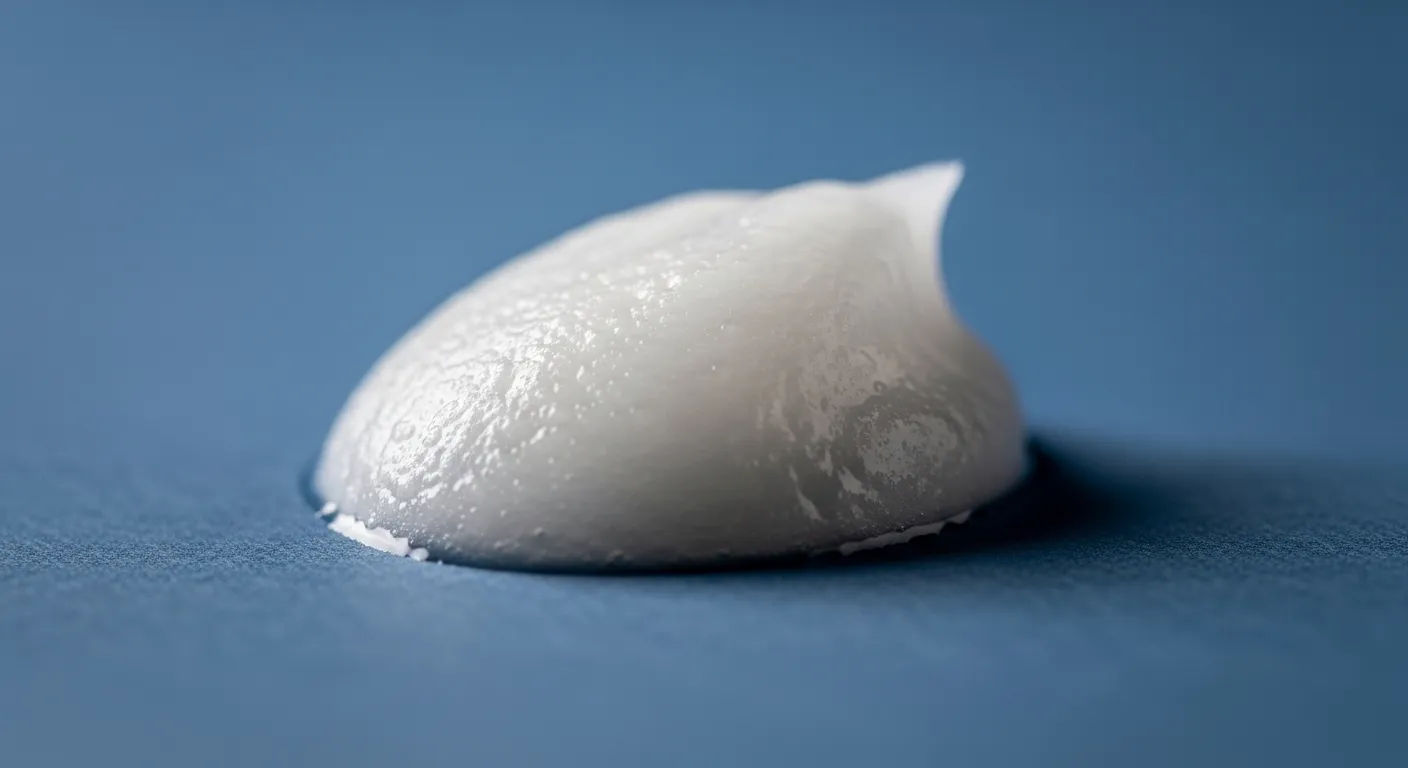
Ovulation ain’t subtle—it’s your body shoutin’ “FERTILE WINDOW OPEN!” through a megaphone. You might notice egg-white cervical mucus (clear, stretchy, slick as a greased doorknob), a slight uptick in basal body temp, or even mild pelvic twinges known as mittelschmerz (“middle pain” if your German’s rusty). Now, here’s the cheeky bit: some of these signs of ovulation pregnancy stick around if conception does happen. Like, that cervical mucus? Might not dry up. That BBT bump? Could stay elevated instead of crashin’ like it usually does pre-period. So yeah, ovulation’s symptoms can kinda… morph into early pregnancy signals if sperm meets egg. Confusin’? Absolutely. Natural? Also absolutely. Your body’s not tryin’ to trick you—it’s just busy doin’ its ancient, miraculous thing.
When Your Noggin and Nethers Send Mixed Signals
Mood swings, fatigue, nausea—sound familiar? These aren’t just hallmarks of PMS or early pregnancy; they’re also part of the signs of ovulation pregnancy shuffle. During ovulation, progesterone starts to rise, which can make you feel a bit “meh.” If pregnancy follows, progesterone skyrockets, ampin’ up those same feelings. So that post-ovulation lethargy you’re brushin’ off as “needin’ an extra cuppa”? Might actually be your body settlin’ in for the long haul. The real tell? Persistence. PMS symptoms vanish once Aunt Flo shows up. Pregnancy symptoms? They stick around, evolve, and eventually demand you buy bigger trousers. If your emotions are swingin’ like a pendulum on espresso and it’s been two weeks since ovulation with no period… well, don’t blame us if you’re soon talkin’ to your bump in a lilting lullaby voice.
Breast Tenderness: Ovulation’s Tease or Pregnancy’s Calling Card?
“Why do me boobs feel like they’ve been used as footballs?” That’s a common cry around ovulation—and again, in early pregnancy. Both stages flood your system with hormones that make your chest sensitive, swollen, or downright sore. But with the signs of ovulation pregnancy, the intensity and duration differ. Ovulation tenderness usually lasts a few days, max. Pregnancy-related soreness? It can linger for weeks and often worsens as hCG (human chorionic gonadotropin) climbs. Some folks even report a tingling or “full” sensation deep in the tissue. So if your jumper’s suddenly feelin’ like sandpaper on your nipples and it’s been over a fortnight since ovulation… yeah, you might wanna peek under the bonnet with a test.
Implantation: The Silent Guest That Changes Everything
Here’s where things get quiet—but mighty. Around 6–12 days after ovulation, if conception’s occurred, the fertilised egg burrows into the uterine lining. That’s implantation. Some women spot light pink or brown discharge—a classic early sign that often gets mistaken for an early period. Others feel mild cramping, not unlike ovulation twinges but softer, deeper. This is where the signs of ovulation pregnancy pivot from “maybe” to “possibly.” Implantation bleeding doesn’t happen for everyone, but when it does, it’s a solid clue you’re past ovulation and into pregnancy territory. And fun fact: implantation is what triggers hCG production—the very hormone all pregnancy tests sniff out.
Can Ovulation Symptoms Mimic Pregnancy? Oh, Bloody Hell Yes.
Let’s be blunt: your body loves a good prank. The hormonal rollercoaster of ovulation—estrogen peaking, progesterone creeping up—can absolutely mimic early pregnancy. Bloating? Check. Cramps? Check. Weird food aversions (sorry, Marmite)? Double check. These signs of ovulation pregnancy overlap because, biologically, your body’s prepping for pregnancy every single cycle. Whether or not sperm shows up is almost beside the point—your uterus doesn’t know yet. So yeah, ovulation can cause pregnancy-like symptoms. Doesn’t mean you’re up the duff, but it sure keeps you on your toes. Best advice? Track your cycle like you’re stalkin’ your ex—consistently and with gentle curiosity.
What Does Ovulation Feel Like If You’ve Actually Conceived?
Tricky one. Truth is, ovulation itself feels the same whether conception happens or not—you ovulate before fertilisation. But the days after? That’s where subtle shifts creep in. Women who’ve conceived often report a “different” kind of fatigue—less “need a nap” and more “could sleep for a week.” Their cervical mucus might stay creamy instead of drying up. Some even feel a faint flutter or pressure in the lower abdomen around implantation. None of these are guaranteed, and they’re easily brushed off as stress or indigestion. But when viewed through the lens of the signs of ovulation pregnancy, they form a quiet mosaic of possibility. Your body’s whisperin’, not shoutin’—so listen close.
Odds Be Good – What’re the Real Chances of Falling Preggers During Ovulation?
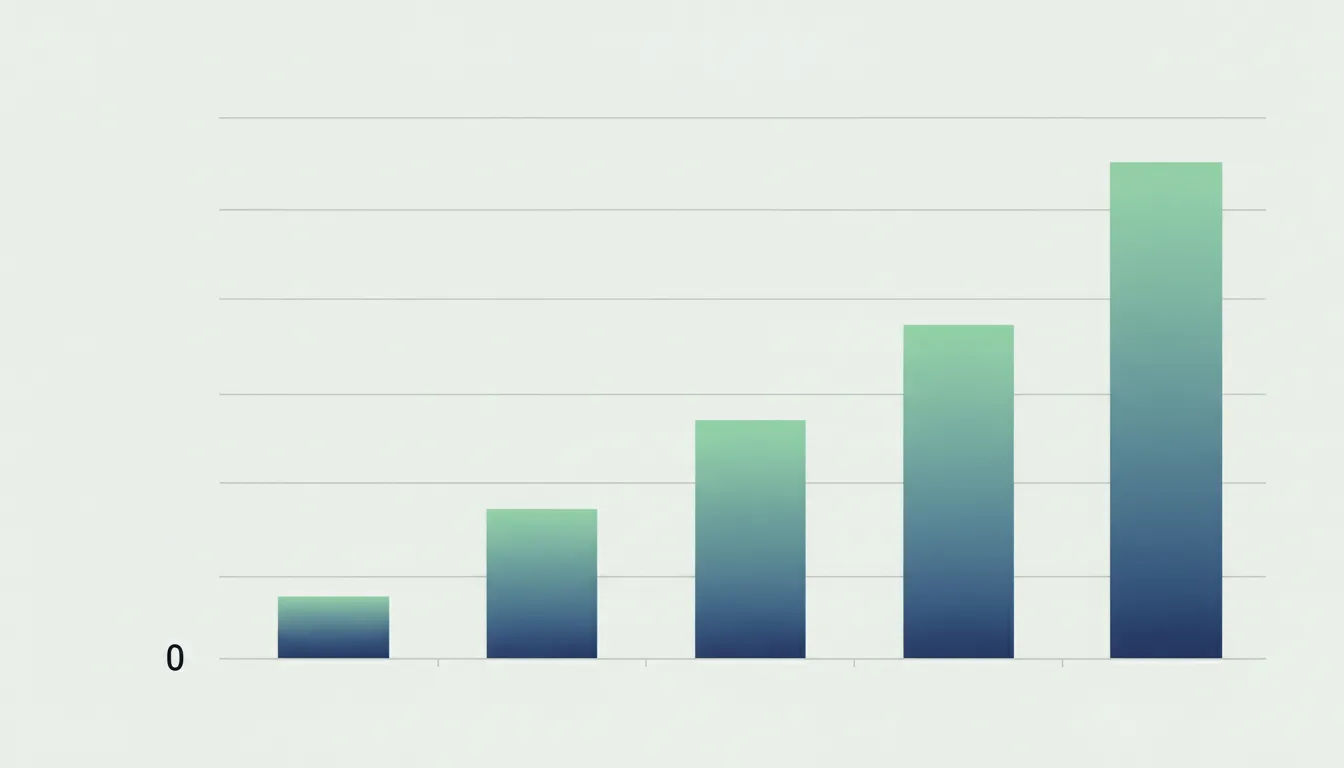
Alright, let’s crack out the stats. According to NHS and fertility research, the probability of conception peaks at around 30% per cycle for healthy couples under 35 actively tryin’ during the fertile window. The highest odds land on the day before and day of ovulation—up to 36% chance if you’re bang on target. But here’s the rub: sperm can live up to 5 days in the reproductive tract, so shaggin’ even 4–5 days before ovulation can still result in pregnancy. That said, if you’re lookin’ at the signs of ovulation pregnancy and wonderin’ “did it take?”, remember: even perfect timing doesn’t guarantee success. Bodies are fickle, hormones are moody, and sometimes the stars just ain’t aligned. Don’t despair if it takes a few months—that’s perfectly normal, love.
| Timing Relative to Ovulation | Chance of Pregnancy |
|---|---|
| 5 days before | ~10% |
| 2–3 days before | ~20–27% |
| Day before | ~31% |
| Day of ovulation | ~36% |
| 1 day after | <5% |
Tracking Tools: From Basal Thermometers to Fancy Apps
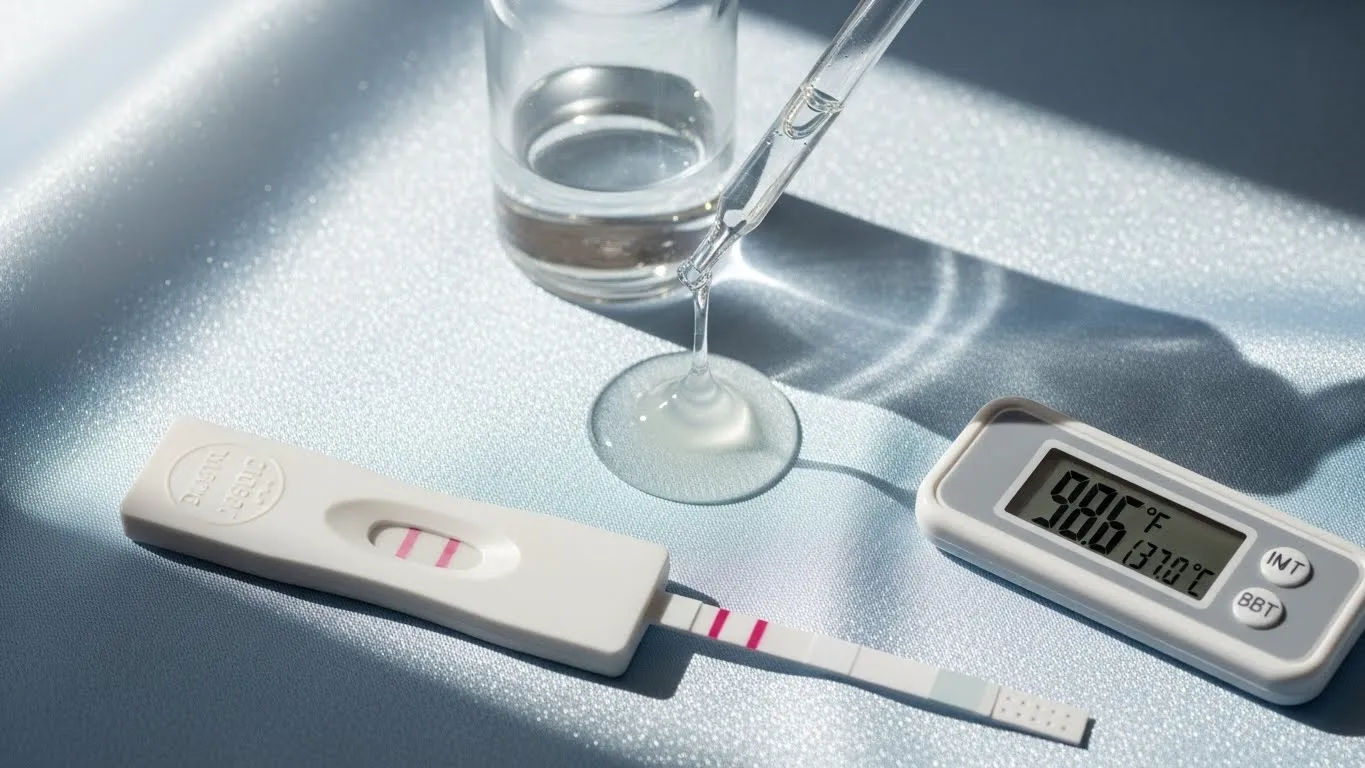
Want to cut through the fog of the signs of ovulation pregnancy? Tech’s got your back. Basal body temperature (BBT) tracking shows that post-ovulation progesterone bump as a sustained rise. Ovulation predictor kits (OPKs) detect the LH surge 24–36 hours before egg release. And fertility apps? They’re brill at logging mucus, mood, and temp to spot patterns over months. But remember: no tool’s foolproof. Stress, illness, or a dodgy night’s sleep can muck with readings. Still, combining methods gives you the clearest picture. Think of it less like a crystal ball and more like a compass—you’re navigatin’, not predictin’.
When in Doubt, Test It Out—and Know Where to Turn
If you’ve clocked the signs of ovulation pregnancy, waited till your missed period (or 14 days past ovulation if you’re trackin’), and still feelin’ suspicious—whip out a pregnancy test. First-morning urine’s got the highest hCG concentration, so that’s your golden window. And if the line’s faint but present? Congrats, you’re likely preggers. Still unsure? Pop into your GP or a sexual health clinic for a blood test—that’ll give ya numbers, not guesswork. And while you’re on this wild ride, don’t forget you’ve got resources. Start with the Amana Parenting homepage for grounded, compassionate guidance. Dive deeper in the Pregnancy section, or explore related topics like Signs Of Tubes Growing Back Together Rare Cases if your journey’s been anything but textbook. You’re not on your own, duck.
Frequently Asked Questions
How do you know you're pregnant on ovulation?
You can’t truly know you’re pregnant during ovulation—conception happens after ovulation, and implantation takes days. However, recognising the signs of ovulation pregnancy overlap helps you stay alert. If your usual ovulation symptoms (like cervical mucus or mild cramps) persist beyond your expected period date, it might signal pregnancy. A test 14 days post-ovulation gives the clearest answer.
Can ovulation cause pregnancy-like symptoms?
Absolutely. The hormonal shifts during ovulation—especially rising progesterone—can mimic early pregnancy symptoms like breast tenderness, bloating, fatigue, and mood swings. These signs of ovulation pregnancy are nearly identical because your body prepares for possible pregnancy every cycle. The key difference? Duration. If symptoms fade with your period, it’s ovulation. If they linger or worsen, pregnancy’s likely.
What does ovulation feel like if you conceive?
Ovulation itself feels the same whether or not you conceive—it’s the aftermath that may differ. If pregnancy occurs, some women notice continued fertile-quality cervical mucus, sustained higher basal body temperature, or light implantation spotting 6–12 days later. These subtle shifts are part of the signs of ovulation pregnancy narrative, but they’re not universal. Many feel nothing unusual at all.
What are the odds of getting pregnant during ovulation?
Peak fertility lands on the day before and day of ovulation, with conception odds reaching up to 36%. Overall, healthy couples under 35 have about a 30% chance per cycle when timing intercourse during the fertile window. Remember, these signs of ovulation pregnancy probabilities assume regular cycles and no underlying fertility issues. Patience and consistency matter—most couples conceive within 6–12 months of trying.
References
- https://www.nhs.uk/conditions/pregnancy-and-baby/trying-to-get-pregnant/
- https://www.babycenter.co.uk/pregnancy/fertility
- https://www.reproductivefacts.org/news-and-publications/patient-fact-sheets-and-booklets/documents/fact-sheets-and-info-booklets/fertility-awareness-based-methods-fams-what-you-need-to-know/
- https://www.ncbi.nlm.nih.gov/pmc/articles/PMC3528531/