Nausea Medicine For Pregnancy Safe Relief
- 1.
Understanding the Waves of Morning Sickness: What Exactly Is Nausea in Pregnancy?
- 2.
Why Do Some Mums-to-Be Barely Notice It While Others Can’t Keep a Crisp Down?
- 3.
When Nausea Turns Nasty: Spotting Hyperemesis Gravidarum
- 4.
What’s Actually Safe? Demystifying the World of Pregnancy-Approved Anti-Nausea Meds
- 5.
The Ginger Chronicles: Folk Remedies vs. Science-Backed Relief
- 6.
Diet, Snacks, and the Art of Not Puking on the Tube
- 7.
Mind Over Matter? The Role of Acupressure, Aromatherapy, and Deep Breathing
- 8.
Timing Matters: When Does This Nausea Nightmare Usually End?
- 9.
Emotional Toll and the Myth of the “Glowing Mum”
- 10.
Where to Turn: Trusted Resources and Support Networks in the UK
Table of Contents
nausea medicine for pregnancy
Understanding the Waves of Morning Sickness: What Exactly Is Nausea in Pregnancy?
Ever woken up feelin’ like your stomach’s doin’ the cha-cha with a pint of lemon juice and a side of regret? Well, welcome to the club, love—you’re in the first trimester, and your new flatmate’s called nausea. And nah, it don’t just pop up at brekkie; it’s that clingy houseguest who crashes in at 3 a.m. while you’re dreamin’ of pasties and a proper cuppa. Nausea in pregnancy—known as “morning sickness” round these parts (though that’s a right fib, innit?)—hits up to 80% of expectant mums across the UK and beyond. Despite the name, this queasy feelin’ don’t clock off after brunch. For loads of us, it’s an all-day, all-week, sometimes all-pregnancy thing. When we chat about nausea medicine for pregnancy, it’s key to get that this symptom ain’t just “in your head”—it’s proper hormonal chaos, mostly kicked off by human chorionic gonadotropin (hCG) and oestrogen levels doin’ the macarena in your bloodstream. Blimey, it’s like your body’s throwin’ a rave without invitin’ you proper-like.
Why Do Some Mums-to-Be Barely Notice It While Others Can’t Keep a Crisp Down?
Right then—why’s it that your mate Becky sailed through pregnancy sippin’ flat whites like it’s no biggie, while you’re clutchin’ a bin like it’s your bestie? Genetics, body chemistry, and even stress levels chuck their oar in. Research reckons women carryin’ multiples (hello, twins or triplets!) often cop more intense nausea cos of higher hCG levels. Same goes for those with a history of motion sickness or migraines—they might be more prone, yeah? But here’s the kicker: no two pregnancies are the same, even for the same lass! The way bodies handle hormonal shifts means findin’ the right nausea medicine for pregnancy can feel like playin’ darts in the dark. It ain’t weakness, it’s biology—and sometimes, it’s just rotten luck with your internal weather, like a dodgy British summer.
When Nausea Turns Nasty: Spotting Hyperemesis Gravidarum
Most pregnancy nausea is a bit grim but doable. But if you’re hurlin’ so much you can’t keep water down, losin’ weight, or feelin’ dizzy as a daft brush, you might be facin’ hyperemesis gravidarum—a proper severe form that hits about 1–3% of pregnancies. Unlike your bog-standard morning sickness, this one often needs medical help. If you ignore it, it can lead to dehydration, wonky electrolytes, and even a hospital stay. In those cases, your GP or midwife might prescribe stronger nausea medicine for pregnancy, like antiemetics that are safe for bump-time. Don’t feel ashamed—this ain’t “just in your head.” It’s a legit medical hassle, and seekin’ help ain’t weakness; it’s smart as chips, wrapped in a hospital gown. Cor, what a palaver!
What’s Actually Safe? Demystifying the World of Pregnancy-Approved Anti-Nausea Meds
So, you’re Googlin’ “can I take X for nausea while pregnant?” at 2 a.m. while nibblin’ a ginger biscuit like it’s the Holy Grail. Let’s cut the waffle. In the UK, common over-the-counter picks include doxylamine (often teamed with pyridoxine—vitamin B6)—a combo green-lit by NICE and dished out as a first-line nausea medicine for pregnancy. Then there’s metoclopramide and ondansetron, usually saved for worse cases under doc’s watch. Crucially, paracetamol? Not for nausea. Ibuprofen? Steer clear after week 20. Always, always have a natter with your midwife or GP before poppin’ owt—even herbal stuff. Cos while that “natural” supplement sounds dead cozy, “natural” don’t always mean safe when you’ve got a little ‘un relyin’ on ya. Innit just typical?
The Ginger Chronicles: Folk Remedies vs. Science-Backed Relief
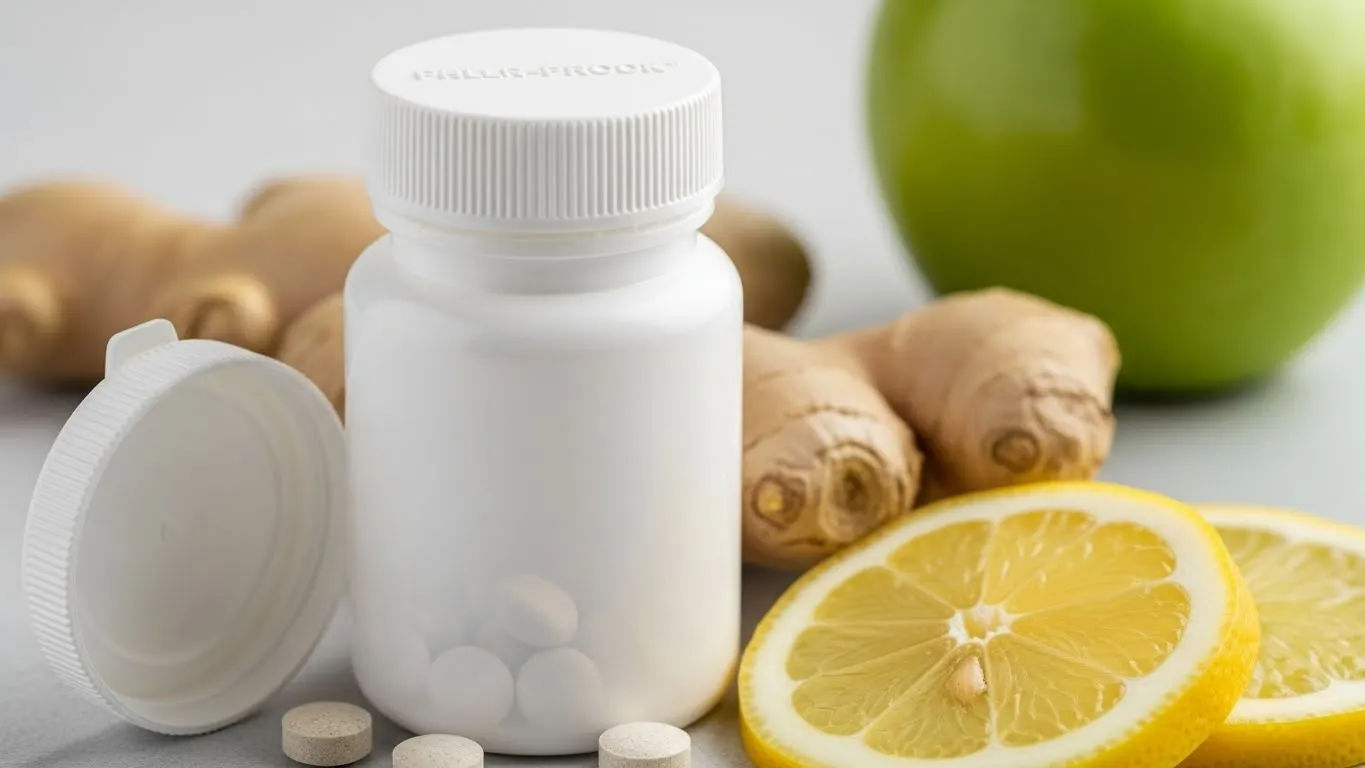
Gran’s old tip: “Chew on some ginger root, love—it’ll sort your tum.” And fair play, she might’ve been bang on. Studies (like those from the University of Plymouth) show ginger can dial down nausea in early pregnancy for many lasses. Whether it’s ginger tea, crystallised bits, or capsules, this knobbly root’s got some proper clout. But—big but—ginger shouldn’t shove aside prescribed nausea medicine for pregnancy if your symptoms are goin’ mental. Think of it as Plan B: comfortin’, easy to grab, but not always enough on its own. Plus, don’t overdo it—too much might thin the blood or spark heartburn (ironic, eh?). So yeah, brew that cuppa, but don’t bin your meds thinkin’ old tales will fix it all. Blimey, life’s too short for that malarkey.
Diet, Snacks, and the Art of Not Puking on the Tube
Look—sometimes the best “medicine” ain’t a pill. It’s a packet of plain crackers tucked in your handbag, a bottle of flat lemonade in the fridge, and the smarts to eat little and often. Empty tum = nausea’s playground. Give protein-rich snacks a go (like almonds or Greek yoghurt), dodge strong whiffs (sorry, Greggs sausage rolls), and sip fluids slow-like. Cold, fizzy, or sour drinks often slip down easier—think elderflower cordial or lemon barley water. And for Pete’s sake, don’t flop down right after scoffin’. Your gullet ain’t a slide, and gravity’s your pal here. These tweaks won’t swap out nausea medicine for pregnancy for everyone, but for mild bits? They’re absolute gold. Aye, keep it simple, pet.
Mind Over Matter? The Role of Acupressure, Aromatherapy, and Deep Breathing
Ever spotted those wristbands with a plastic knob pressin’ on your P6 point? They ain’t just trendy—they’re acupressure helpers, and some mums swear by ‘em blind. Likewise, havin’ a whiff of peppermint or lemon essential oils (diluted, mind!) might fool your noggin into thinkin’ you’re in a spa, not a sick spin. Deep breathin’—slow in through the nose, out like you’re steamin’ a mirror—can chill your vagus nerve and loosen nausea’s hold. While these won’t zap hyperemesis, they’re low-risk add-ons to your nausea medicine for pregnancy kit. Just don’t bank on miracles—your body’s rewirin’ its whole setup, after all. Crikey, it’s a right faff sometimes.
Timing Matters: When Does This Nausea Nightmare Usually End?
Here’s the light at the end of the tunnel (fingers crossed it ain’t a train): for most mums, nausea hits its peak around weeks 8–12 and starts fadin’ by week 14–16. But—twist in the tale—some lug it into the second trimester, and a few rare birds even till the big day. It ain’t a timer; it’s biological roulette. That said, if your nausea *suddenly packs up* before week 12, don’t freak—but flag it at your next scan. Usually, it’s nowt, but worth a quick peek. Hang in there, love. Your nausea medicine for pregnancy phase ain’t eternal, even if it feels etched in your bones right now.
Emotional Toll and the Myth of the “Glowing Mum”
Let’s keep it real: constant nausea ain’t just bodily—it’s a right emotional kicker. You’re meant to be “glowin’,” but you feel like a wrung-out dishcloth who’s forgotten what kip tastes like. Social dos? Nah, you’re too busy cuddlin’ the loo. Work chats? Barely heard over your gut doin’ the samba. And the guilt? Blimey, the guilt—“Am I muckin’ up already?” Spoiler: you ain’t. Pregnancy ain’t a show. Askin’ for help, takin’ prescribed nausea medicine for pregnancy, or blubbin’ into your pregnancy pillow (aye, that’s a thing) is all part of the ride. You’re growin’ a human, not tryin’ out for a Hallmark flick. Innit exhaustin’?
Where to Turn: Trusted Resources and Support Networks in the UK
If you’re feelin’ adrift, remember: you ain’t alone. The NHS has top-notch advice on handlin’ pregnancy sickness, and charities like Amana Parenting dish out kind, evidence-based support without any judgin’. Pop into their Pregnancy section for more spot-on tips, or check out deeper symptoms like Lower Stomach Pain During Pregnancy 2nd Trimester Alerts if your body’s sendin’ mixed messages. Online spots like Netmums or Tommy’s give safe places to rant, swap tricks, and realise you ain’t the only one livin’ on dry toast and hope. And don’t hold back from ringin’ your midwife—those chinwags ain’t “botherin’” them; it’s bang on their job. Findin’ the right nausea medicine for pregnancy ain’t a lone wolf gig.
Frequently Asked Questions
How do you deal with nausea during pregnancy?
Managing nausea during pregnancy often starts with lifestyle tweaks—eating small, frequent meals, avoiding trigger smells, and staying hydrated. For many, ginger or vitamin B6 helps. But if symptoms are severe, GP-approved nausea medicine for pregnancy, such as doxylamine-pyridoxine, may be necessary. Always consult your healthcare provider before taking anything.
What is the best medicine for nausea during pregnancy?
In the UK, the first-line nausea medicine for pregnancy is often a combination of doxylamine and pyridoxine (vitamin B6), which is both effective and safe. For more severe cases, doctors may prescribe metoclopramide or ondansetron. The “best” option depends on your symptoms, medical history, and trimester—so always seek professional advice.
What stops vomiting to a pregnant woman?
Stopping pregnancy-related vomiting often requires a mix of approaches: staying hydrated with small sips of cold fluids, eating bland snacks like crackers, resting, and, when needed, using prescribed nausea medicine for pregnancy. In cases of hyperemesis gravidarum, IV fluids and stronger antiemetics may be essential. Never ignore persistent vomiting—it can lead to complications.
When does pregnancy nausea stop?
For most women, pregnancy nausea begins to fade between weeks 14 and 16, though some may feel relief earlier or later. A minority experience symptoms into the second or even third trimester. If nausea stops suddenly before week 12, mention it at your next appointment—but it’s often just part of the natural nausea medicine for pregnancy timeline.
References
- https://www.nhs.uk/conditions/morning-sickness-nausea-and-vomiting/
- https://www.tommys.org/pregnancy-information/pregnancy-complications/hyperemesis-gravidarum
- https://www.rcog.org.uk/guidance/
- https://www.nice.org.uk/guidance/