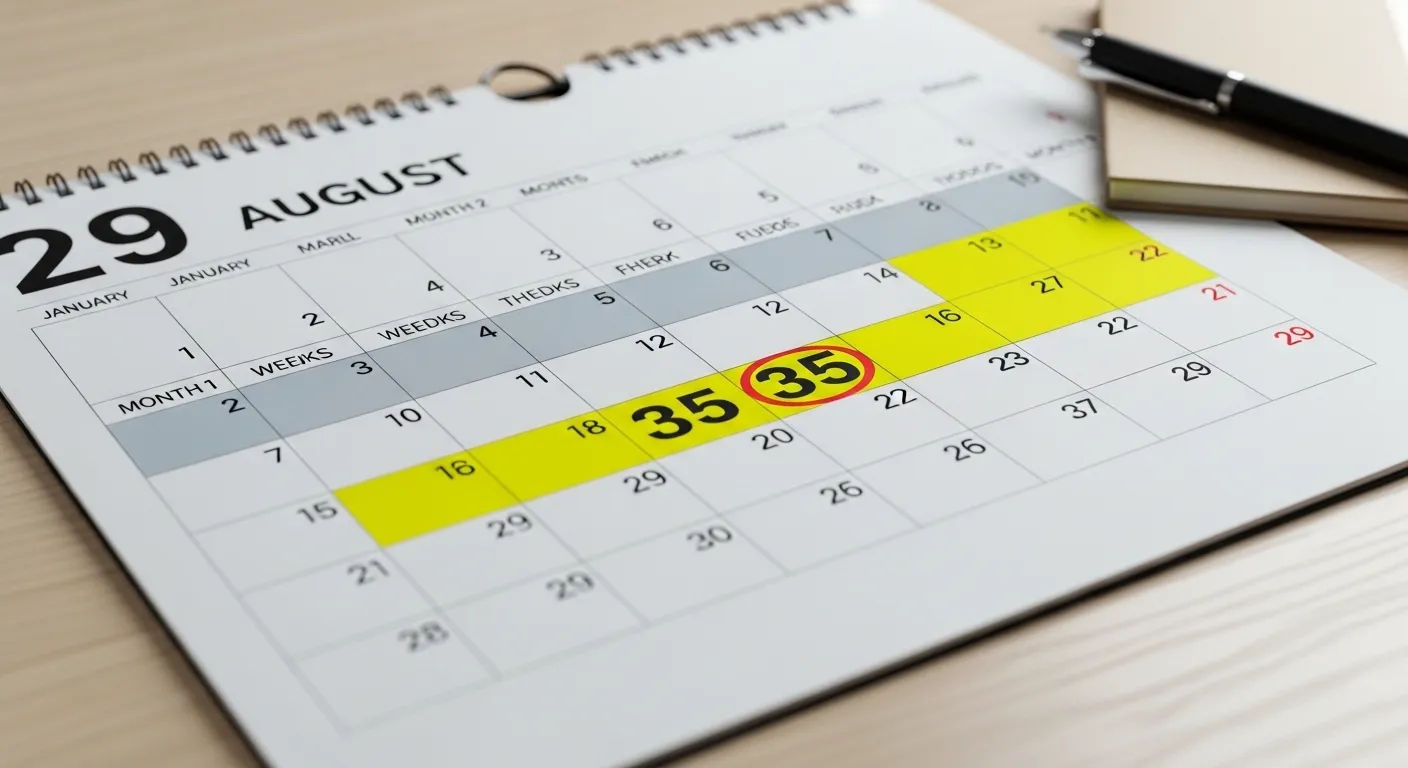
Last Menstrual Period Calculator Accurate Tool

- 1.
What Exactly Is a Last Menstrual Period Calculator—and Why the Bloody Hell Should You Care?
- 2.
Why Do Health Professionals Always Ask About Your Last Period Instead of Conception Date?
- 3.
How Accurate Is a Last Menstrual Period Calculator, Really?
- 4.
Can You Really Be “4 Weeks Pregnant” When You Only Conceived Two Weeks Ago?
- 5.
How to Use a Last Menstrual Period Calculator Without Losing Your Mind
- 6.
What If I Don’t Remember My Last Period Date?
- 7.
Common Misconceptions About the Last Menstrual Period Calculator
- 8.
Why Tracking Your Period Even Before Pregnancy Pays Off
- 9.
When Should You Double-Check the Last Menstrual Period Calculator with a Professional?
- 10.
Best Practices for Using a Last Menstrual Period Calculator in Real Life
Table of Contents
last menstrual period calculator
What Exactly Is a Last Menstrual Period Calculator—and Why the Bloody Hell Should You Care?
Ever found yerself squintin’ at the calendar, mutterin’ under yer breath like, “Wait, was it *that* Tuesday or the *other* Tuesday?” when tryin’ to work out how far along you are in the bump? Mate, you’re not alone. A last menstrual period calculator is basically yer new best mate in this whole pregnancy lark—it’s a digital whiz that uses the start date of your last period to estimate everything from your due date to when you likely conceived. It might sound like hocus-pocus, but it’s proper science, wrapped in a tidy lil’ algorithm with a bow of reassurance. The thing is, most docs and midwives reckon pregnancy kicks off from the first day of your last menstrual period—not from the day you actually got busy under the duvet. So yeah, that means technically, you’re “pregnant” before you’ve even conceived. Mental, innit? But the last menstrual period calculator makes it all make sense, even when your brain’s gone all mushy from lack of sleep and morning sickness.
Why Do Health Professionals Always Ask About Your Last Period Instead of Conception Date?
The Historical Logic Behind Counting Weeks from Your Last Menstrual Period
Right, so here’s the tea: pinpointin’ the exact day of conception is a right nightmare. Sperm can hang about for up to five days, ovulation’s sneaky and shifts like the British weather, and let’s be honest—most of us aren’t keepin’ a detailed log of our “fertile window” like it’s a bloody diary entry. So medics stick to the last menstrual period because it’s a solid, observable anchor point. Every woman (well, most) knows when their last bleed started—at least, better than guessin’ ovulation dates. The last menstrual period calculator leans into this convention, rollin’ with the standard 280-day gestation model from that first bleed. It’s not perfect—but it’s consistent, and consistency keeps the NHS spreadsheet lookin’ tidy. Plus, yer scan later on’ll fine-tune the date anyway. But until then? That last menstrual period calculator is doin’ the heavy liftin’.
How Accurate Is a Last Menstrual Period Calculator, Really?
When Your Cycle Isn’t Textbook—and Why That Matters
If your cycle’s as regular as Big Ben, bless ya—you’re golden. But if you’re bouncin’ between 24 and 35 days like a pinball? Then your last menstrual period calculator might be a smidge off. These tools usually assume a 28-day cycle with ovulation bang on day 14. But life ain’t a textbook. If you ovulated late, the calculator might overestimate your pregnancy by a week or two. That’s why midwives always say, “Don’t panic if the dates don’t feel right—we’ll adjust after your dating scan.” Still, the last menstrual period calculator gives a damn good starting point. Think of it like a SatNav that says, “You *might* be here,” before your body radios in with GPS confirmation. The key? Use it as a guide, not gospel. After all, even the best last menstrual period calculator can’t read your hormones like a crystal ball.
Can You Really Be “4 Weeks Pregnant” When You Only Conceived Two Weeks Ago?
Demystifying the Pregnancy Timeline Confusion
Absolutely, and it’s properly confusin’ at first! When someone says you’re “4 weeks pregnant,” they mean it’s been four weeks since your last menstrual period—not since you actually got preggers. Conception probably happened around week two or three. So yeah, you’re technically two weeks “pregnant” before there’s even a bun in the oven. Wild, right? This is why the last menstrual period calculator often throws people for a loop. You plug in your last bleed, and boom—it says you’re six weeks along, even though you only saw the double line three weeks ago. But don’t fret—it’s just how the system works. The last menstrual period calculator follows medical convention, not biology’s messy timing. Once your midwife does that 12-week scan, they’ll reset the clock based on the embryo’s size. Until then? Roll with it, love.
How to Use a Last Menstrual Period Calculator Without Losing Your Mind
Step-by-Step Simplicity for the Sleep-Deprived and Hormonally Chaotic
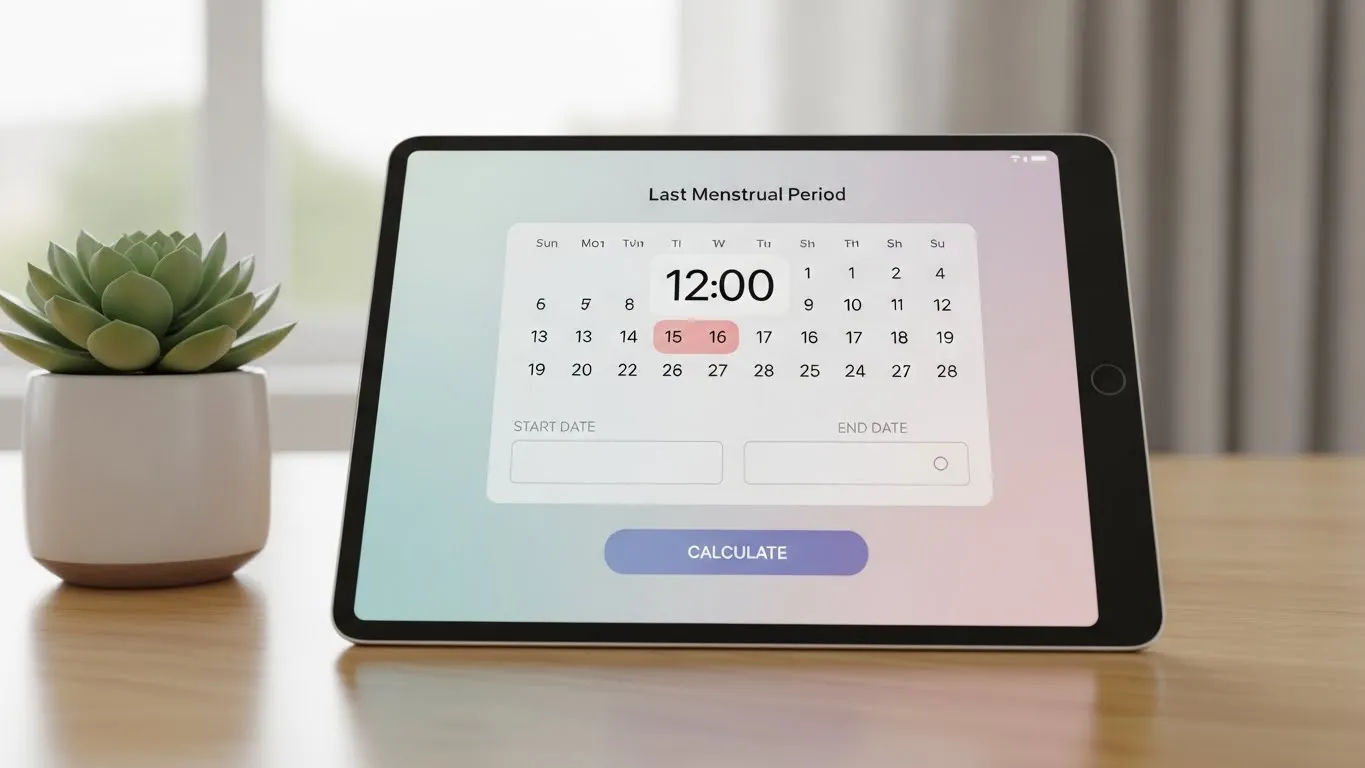
Using a last menstrual period calculator is dead easy—honestly, easier than brewin’ a proper cuppa. All you need is the first day of your last period. Pop that in, hit “calculate,” and it’ll spit out your estimated due date (EDD), current week of pregnancy, and even your likely conception window. Some fancy ones even tell you when your baby’s organs start formin’ or when you might feel them kick. The trick? Be honest about your date. Don’t guess “somewhere in March”—dig out your calendar, your period app, or that crumpled note on the fridge. Precision matters. And if your cycle’s irregular? Just enter your usual length if you know it. The last menstrual period calculator ain’t psychic, but it’ll do its best. Remember: it’s a tool, not a verdict. Your body’ll have the final say—and that’s alright.
What If I Don’t Remember My Last Period Date?
No Panic—Here’s How to Navigate the Fog of Early Pregnancy
Blimey, if you’re scratchin’ yer head thinkin’, “Was it before or after that Glasto weekend?”—don’t sweat it. Memory goes wobbly when you’re up at 3 a.m. snackin’ on pickles and custard. If you genuinely can’t recall your last menstrual period, your midwife’ll use your dating scan (usually around 10–14 weeks) to measure the baby and work out your due date. Until then, a rough estimate in the last menstrual period calculator is better than nothin’. You can also check bank statements for tampon purchases, period app logs, or even ask your partner if they remember you bein’ a bit… moodier than usual. (Kiddin’. Sort of.) The key is honesty at your booking-in appointment. The last menstrual period calculator works best with solid data—but even fuzzy data’s a start.
Common Misconceptions About the Last Menstrual Period Calculator
Myths, Mix-Ups, and “Wait—That Can’t Be Right!” Moments
Let’s bust a few myths, shall we? Myth one: “The last menstrual period calculator tells you the exact day you conceived.” Nope—it estimates based on averages. Myth two: “If it says I’m 8 weeks, I’ve been pregnant for 8 weeks.” Technically yes, but biologically? More like 6. Myth three: “It’s useless if my cycle’s irregular.” Not true—it just needs a bit more info, like your average cycle length. People often think the last menstrual period calculator is some mystical oracle, but it’s really just math wearin’ a friendly face. And like all math, it’s only as good as the numbers you feed it. So don’t blame the last menstrual period calculator if your due date shifts—it’s just doin’ its job with the intel you gave it.
Why Tracking Your Period Even Before Pregnancy Pays Off
From Cycle Awareness to Confident Conception
Wish you’d started trackin’ your cycle ages ago? Same. But better late than never. Knowin’ your last menstrual period isn’t just handy for calculators—it helps you understand your body’s rhythm. When you know your average cycle length, ovulation signs, and bleed patterns, you’re better equipped to spot when somethin’s off… or when that pregnancy test might actually be right. Apps like Clue or Flo aren’t just for avoiding pregnancy—they’re goldmines when you’re tryin’ to conceive. And if you ever need to use a last menstrual period calculator, you’ve got reliable data at your fingertips. Honestly, trackin’ your cycle is like keepin’ a diary for your womb—and your future self will thank you. Especially when you’re explainin’ to your midwife why the last menstrual period calculator might need tweakin’.
When Should You Double-Check the Last Menstrual Period Calculator with a Professional?
Red Flags and Reassurance Moments
If the last menstrual period calculator says you’re 10 weeks along but your scan shows 7? Don’t panic—but do mention it. Same if you’ve got severe cramps, heavy bleedin’, or zero symptoms when the calculator says you’re well into the nausea zone. While the last menstrual period calculator is a fab starting point, your body’s the real storyteller. Midwives and GPs use it as a baseline, not the final chapter. Always book your first antenatal appointment around week 8–10, where they’ll confirm dates, check your health, and answer all them “am I normal?” worries. The last menstrual period calculator opens the door—but your healthcare team walks you through it.
Best Practices for Using a Last Menstrual Period Calculator in Real Life
Beyond the Date—Making It Work for Your Journey
So you’ve punched in your last menstrual period and got your due date. Now what? First, bookmark that result—but don’t tattoo it on your arm just yet. Use it to plan: when to tell work, when to book scans, when to buy those stretchy jeans. Share it with your partner so they can mark it in *their* calendar (yes, really). And if you’re the organised type, pair it with a pregnancy week-by-week email subscription—it’s like havin’ a tiny coach in your inbox. But remember: flexibility is key. Only 5% of babies arrive on their exact due date. The last menstrual period calculator gives structure to the chaos, but your journey’ll have its own rhythm. For more support, check out the Amana Parenting homepage, browse the Pregnancy section, or dive into our deep-dive on timing with I Got Pregnant 5 Days Before Ovulation Fertility Fact. Because knowledge? It’s the best bump buddy you’ll ever have.
Frequently Asked Questions
How do you calculate last menstrual period?
To calculate using your last menstrual period, note the first day of your most recent bleed. This date is used by a last menstrual period calculator to estimate your due date by adding 280 days (or 40 weeks). It’s the standard method healthcare providers use because it’s a clear, consistent marker—even though conception typically happens about two weeks later.
How to calculate period from last period?
If you’re asking how to estimate your next period, track your average cycle length (e.g., 28 days) and add it to the start of your last menstrual period. But if you’re pregnant, you won’t have another period—and a last menstrual period calculator instead uses that date to determine how far along you are. So “calculating your period” shifts meaning once pregnancy’s on the table.
How many days am I pregnant from my last period?
Pregnancy is counted from the first day of your last menstrual period, so if today is 42 days since that date, you’re considered 6 weeks pregnant—even if conception only occurred around day 14–21. A reliable last menstrual period calculator does this math instantly, converting days into weeks and estimating your due date accordingly.
Does 4 weeks pregnant mean you conceived 4 weeks ago?
Nope! Being “4 weeks pregnant” means it’s been four weeks since your last menstrual period—not since conception. Actual conception likely happened around week 2 or 3. This is why a last menstrual period calculator can feel confusing at first. Medically, pregnancy starts counting before conception for practicality’s sake, not biological accuracy.
References
- https://www.nhs.uk/conditions/pregnancy-and-baby/calculating-the-due-date/
- https://www.tommys.org/pregnancy/tools-and-calculators/due-date-calculator
- https://www.rcog.org.uk/en/patients/patient-areas/pregnancy-and-birth/pregnancy-week-by-week/
- https://www.ncbi.nlm.nih.gov/books/NBK545243/