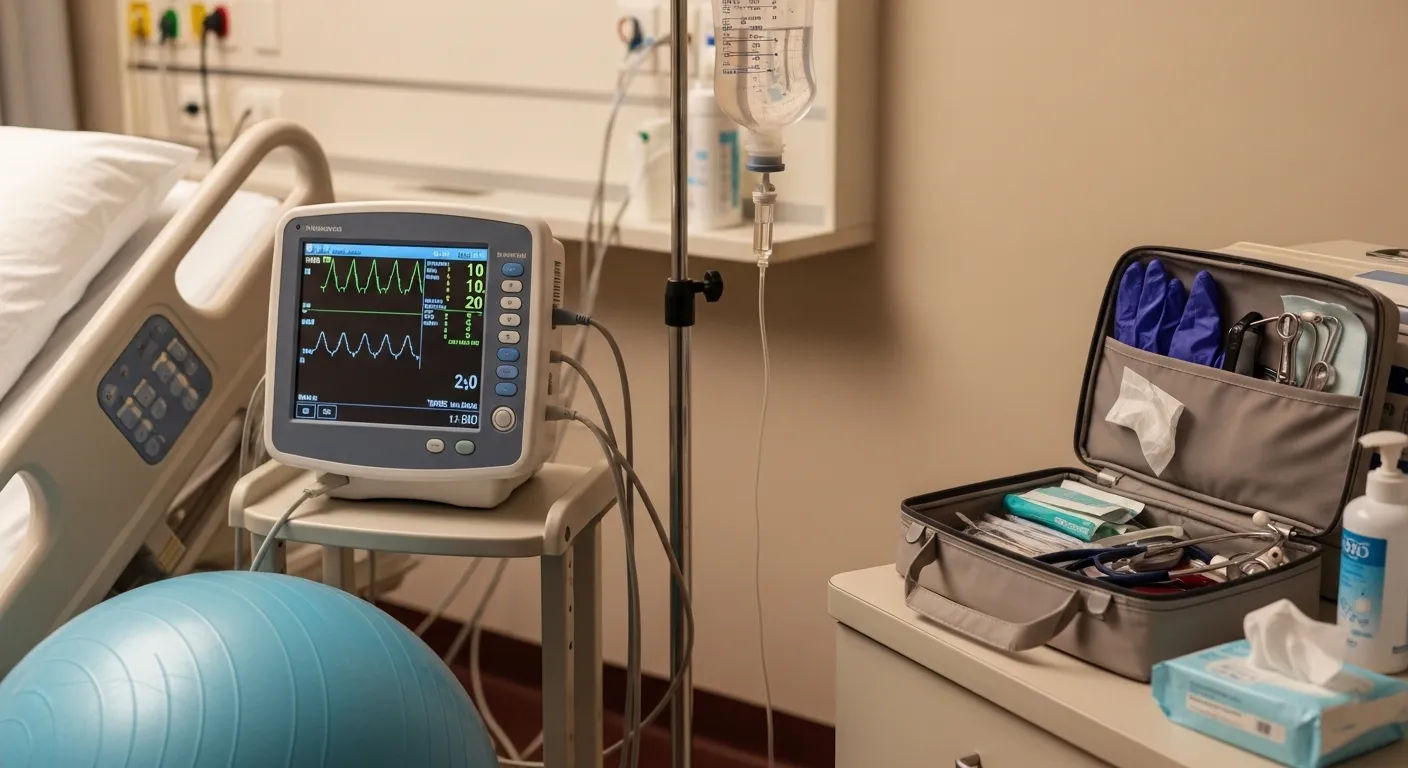
33 Weeks Pregnant Symptoms Not To Ignore Health Risks

- 1.
What Should You Be Feeling at 33 Weeks Pregnant? Understanding the Norms and Nuances
- 2.
Spotting the Red Flags: 33 Weeks Pregnant Symptoms Not to Ignore That Demand Immediate Attention
- 3.
How to Tell If Baby Is in Distress at 33 Weeks: Decoding the Silent Signals
- 4.
Warning and Danger Signs in the Third Trimester: When Comfort Turns Concerning
- 5.
Tracking Baby’s Movements: Why Kick Counts Matter at 33 Weeks
- 6.
Swelling vs. Oedema: Knowing the Difference at 33 Weeks
- 7.
Breathlessness and Chest Pain: Normal or Not at 33 Weeks?
- 8.
Vision Changes and Headaches: More Than Just Tiredness
- 9.
Fluid Leaks and Contractions: False Alarms or Real Onset?
- 10.
When to Seek Help: Navigating NHS Resources and Trusted Guidance
Table of Contents
33 weeks pregnant symptoms not to ignore
What Should You Be Feeling at 33 Weeks Pregnant? Understanding the Norms and Nuances
Ever woken up wondering if your bump’s doing a full-on tap dance routine in there? At 33 weeks pregnant, that wee one’s got more personality than your nan’s Sunday roast. But seriously—what should you be feeling at this stage? Well, typical 33 weeks pregnant symptoms not to ignore include Braxton Hicks contractions (those false alarms that feel suspiciously like the real deal), shortness of breath (thanks to baby playing footsie with your diaphragm), and a general sense of being a bit… waddly. Swollen ankles? Check. Frequent toilet trips? Double check. Heartburn that could melt steel? Oh, absolutely. These are all part of the grand ol’ third-trimester symphony. Still, it’s vital to know which notes are just part of the tune—and which ones scream “call the midwife, love!”
Spotting the Red Flags: 33 Weeks Pregnant Symptoms Not to Ignore That Demand Immediate Attention
Right then—let’s cut to the chase. While most discomforts at 33 weeks are par for the course, certain 33 weeks pregnant symptoms not to ignore can signal something more serious. Think severe headaches that won’t budge with paracetamol, sudden swelling in your face or hands (not just the usual puffy feet), or vision changes like flashing lights or blurriness. These could be signs of pre-eclampsia—a condition that’s no joke. Also, if you’re bleeding, leaking fluid unexpectedly, or notice a dramatic drop in your baby’s movements, don’t sit on it. Ring your GP or head straight to A&E. Your gut’s usually spot-on, so if something feels off, trust it. After all, better safe than sorry when it comes to your little sprout.
How to Tell If Baby Is in Distress at 33 Weeks: Decoding the Silent Signals
Feeling like your bump’s gone quiet? One of the most crucial 33 weeks pregnant symptoms not to ignore is a noticeable change in fetal movement. Babies don’t just “slow down” as they get bigger—that’s a myth. In fact, you should still feel regular kicks, rolls, and jabs. If you’ve counted fewer than ten movements in two hours while lying on your left side, or if your baby’s usual pattern has shifted dramatically, it’s time to act. Pop into your local maternity unit for a quick check-up. They’ll monitor the heartbeat and maybe do a scan. Remember: “less active” isn’t “lazy”—it could mean your baby’s in distress. Don’t wait until tomorrow; do it today, yeah?
Warning and Danger Signs in the Third Trimester: When Comfort Turns Concerning
The third trimester’s meant to be about nesting, naps, and picking out tiny socks—but sometimes, it throws curveballs. Key 33 weeks pregnant symptoms not to ignore that fall under “danger signs” include persistent abdominal pain, high fever (over 37.5°C), or a constant, severe headache that doesn’t ease. Also, watch out for dizziness so intense you feel faint, or rapid weight gain (more than 1kg in a week)—that’s often linked to fluid retention from pre-eclampsia. And if you’re coughing up blood or struggling to breathe while resting? That’s not just “being tired,” mate. These aren’t just inconveniences; they’re your body waving red flags. Listen closely—it’s speaking for two now.
Tracking Baby’s Movements: Why Kick Counts Matter at 33 Weeks
Here’s a golden rule: every kick counts. Monitoring fetal movement isn’t old-school advice—it’s lifesaving. At 33 weeks, your baby’s got a routine. Maybe they’re most active after your cuppa or during EastEnders. Get familiar with it. If you notice your usual “kick hour” has gone silent, try lying down quietly with a cold drink—sometimes that wakes them up. But if there’s still no response after an hour, don’t brush it off as “they’re just sleeping.” Babies don’t sleep for hours on end without stirring. This is one of those 33 weeks pregnant symptoms not to ignore that parents-to-be often underestimate. Trust us—midwives would rather see you twice than not at all.

Swelling vs. Oedema: Knowing the Difference at 33 Weeks
Yeah, your ankles might look like overfilled chip bags by teatime—but not all swelling is created equal. Mild oedema in the feet and legs is normal thanks to increased blood volume and pressure from your uterus. However, if your face suddenly puffs up like you’ve been crying into a pillow all night, or your hands swell so much you can’t get your rings off, that’s a different kettle of fish. These are potential signs of pre-eclampsia, especially when paired with high blood pressure. So keep an eye on where and how quickly the swelling appears. This subtle but critical distinction is one of the key 33 weeks pregnant symptoms not to ignore that can slip under the radar.
Breathlessness and Chest Pain: Normal or Not at 33 Weeks?
Feeling like you’ve run a marathon just walking to the loo? Totally normal—your lungs are getting squished by a growing human. But if you’re gasping for air while sitting still, or you’ve got sharp chest pain that worsens when you breathe deeply, that’s not just pregnancy fatigue. It could signal a pulmonary embolism or other cardiac concerns. These are rare but serious, and they’re definitely among the 33 weeks pregnant symptoms not to ignore. Don’t chalk it up to “just being pregnant.” Mention it—even if it turns out to be nothing. Better to have a chat than a crisis.
Vision Changes and Headaches: More Than Just Tiredness
Blurry vision, seeing spots, or a headache that feels like someone’s tightening a vice around your skull? Nah, love—that’s not just lack of sleep. These could be neurological signs of pre-eclampsia, a condition that affects up to 5% of pregnancies in the UK. And here’s the kicker: it can develop rapidly, even if your blood pressure was fine last week. So if you’re experiencing these alongside upper abdominal pain or nausea, don’t wait for your next appointment. Call your maternity unit straight away. These are textbook 33 weeks pregnant symptoms not to ignore that demand urgent evaluation.
Fluid Leaks and Contractions: False Alarms or Real Onset?
Braxton Hicks contractions are like your body’s dress rehearsal—but if they become regular, painful, or increase in intensity, they might be the real thing. Similarly, if you’re unsure whether you’re leaking urine or amniotic fluid, do the sniff test (amniotic fluid smells sweet, not like wee) or use a pad to check. A steady trickle or gush before 37 weeks is preterm premature rupture of membranes (PPROM), and it needs immediate attention. Both irregular contractions and fluid leaks are among the trickiest 33 weeks pregnant symptoms not to ignore because they mimic normal pregnancy quirks. When in doubt, get it checked out.
When to Seek Help: Navigating NHS Resources and Trusted Guidance
Look, we get it—ringing up feels like a fuss, especially if you’re worried you’re “bothering” someone. But NHS maternity services exist for exactly this reason. If you’re experiencing any of the 33 weeks pregnant symptoms not to ignore we’ve covered—whether it’s reduced movement, severe swelling, or chest pain—call your midwife, GP, or go straight to triage. You’re not being dramatic; you’re being responsible. For more support, visit Amana Parenting for holistic pregnancy insights, browse our Pregnancy category for weekly guides, or read our detailed piece on 32 weeks pregnant symptoms not to ignore monitor now to stay ahead of the curve. Your peace of mind is worth every call.
Frequently Asked Questions
What should you be feeling at 33 weeks pregnant?
At 33 weeks pregnant, you may feel frequent Braxton Hicks contractions, shortness of breath, heartburn, backache, and increased fetal movement. However, it’s essential to monitor for any 33 weeks pregnant symptoms not to ignore, such as sudden swelling, severe headaches, or reduced baby kicks, which could indicate complications requiring medical attention.
What symptoms should not be ignored at 33 weeks pregnant?
Symptoms that should never be ignored at 33 weeks include vaginal bleeding, leaking fluid, severe or persistent headaches, vision changes, sudden facial or hand swelling, chest pain, difficulty breathing at rest, and a noticeable decrease in fetal movement. These are critical 33 weeks pregnant symptoms not to ignore as they may signal pre-eclampsia, infection, or fetal distress.
What are the warning and danger signs in the third trimester?
Warning signs in the third trimester include high fever, severe abdominal pain, rapid weight gain, dizziness, persistent vomiting, and reduced fetal activity. These are among the most serious 33 weeks pregnant symptoms not to ignore and warrant immediate contact with your healthcare provider or a trip to the hospital.
How to tell if baby is in distress at 33 weeks?
Signs your baby may be in distress at 33 weeks include a significant reduction or complete absence of movement, irregular or abnormal heart rate patterns (detected via monitoring), and decreased responsiveness during kick counts. Any deviation from your baby’s normal movement pattern is a key indicator among the 33 weeks pregnant symptoms not to ignore and requires urgent assessment.
References
- https://www.nhs.uk/conditions/pregnancy-and-baby/signs-labour-third-trimester
- https://www.rcog.org.uk/guidance/browse-all-guidance/green-top-guidelines/hypertension-in-pregnancy-diagnosis-and-management
- https://www.tommys.org/pregnancy-information/pregnancy-complications/reduced-fetal-movement
- https://www.babycentre.co.uk/pregnancy/complications/pre-eclampsia